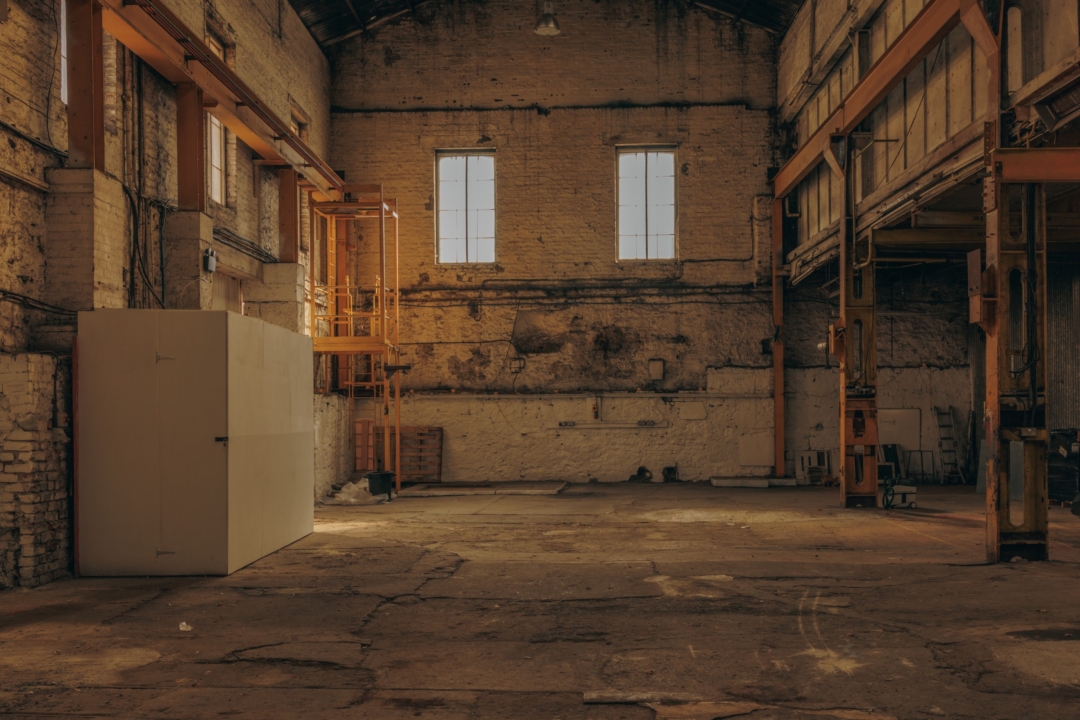




This early James Adam townhouse, located in Glasgow’s Merchant City, was constructed in the 1790s as part of a formal terrace. By the early 1980s, it was the only surviving structure on the row and had fallen into an advanced state of dereliction. The building was roofless, with the top floor entirely lost and much of the internal fabric deteriorated beyond repair.
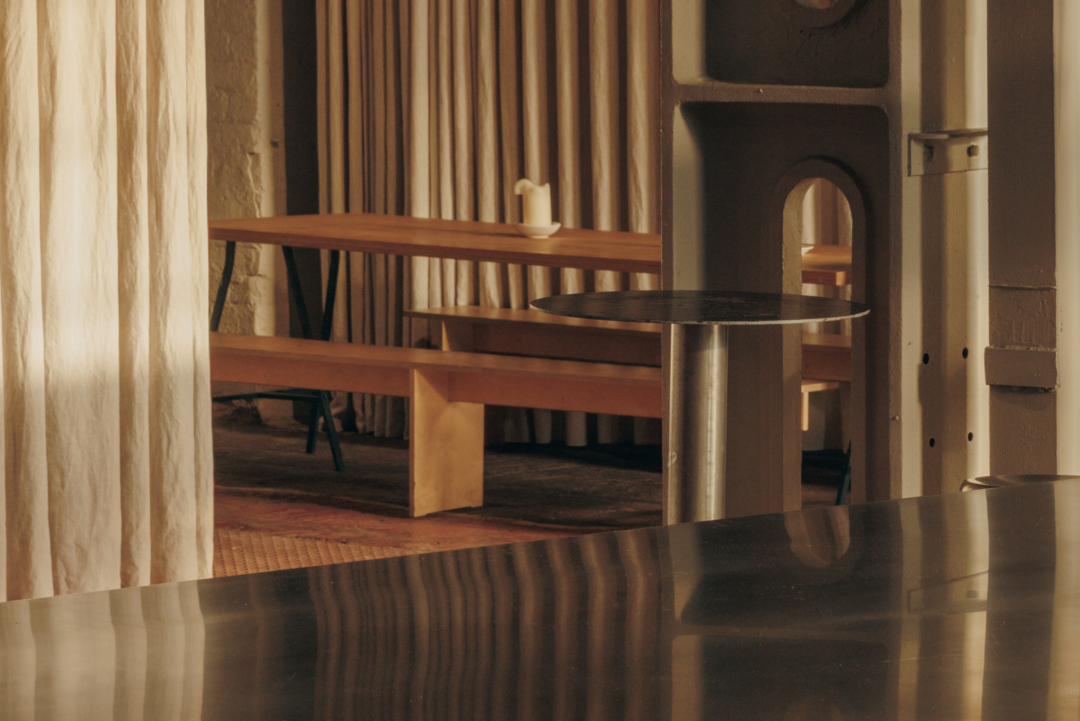
GRAS was commissioned to stabilise and adapt the building for new use, combining careful repair of the historic fabric with a considered programme of adaptive reuse. The project retained the scale and proportion of the original townhouse while introducing new internal layouts to accommodate a bar, restaurant and guest rooms. The building reopened to the public in 1985 as Babbity Bowster and has since become a well-established part of the city’s social and cultural life.
The project received widespread recognition for its contribution to urban regeneration and architectural conservation. Awards include the Europa Nostra Silver Medal and the RIAS Regeneration of Scotland Award in 1986, followed by a Civic Trust Award in 1987. Babbity Bowster remains a strong example of how derelict heritage buildings can be brought back into meaningful use through considered architectural intervention and long-term stewardship.
- Project Details
- Project Team
Location
Glasgow, Scotland
Completed
1985
Type
Commercial