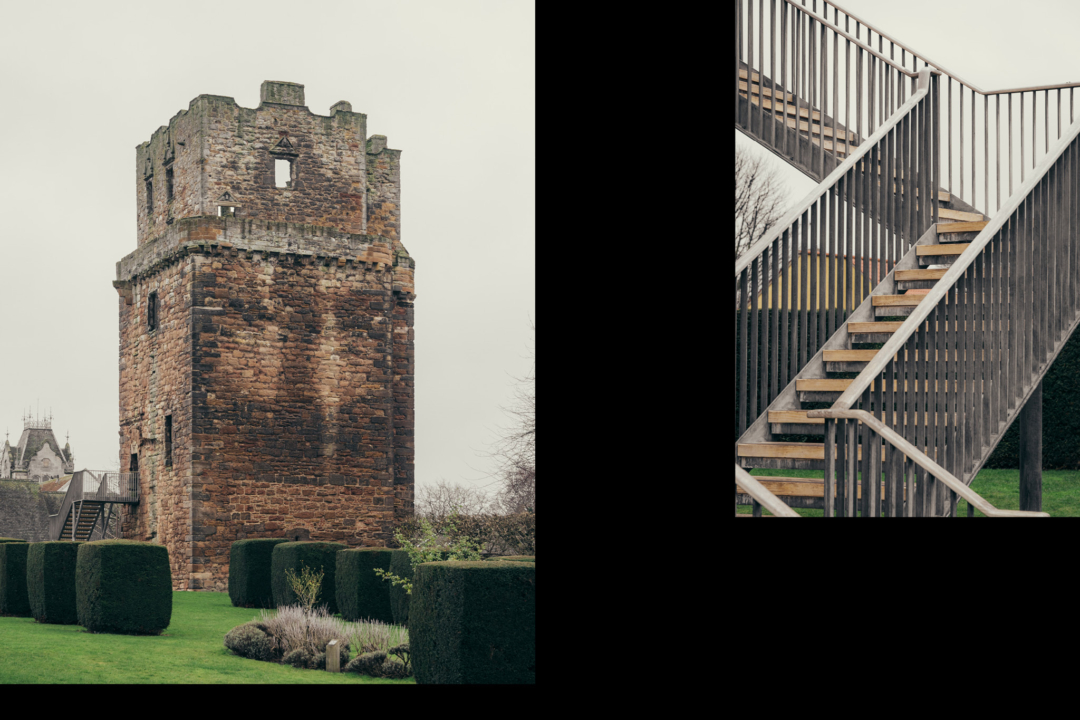
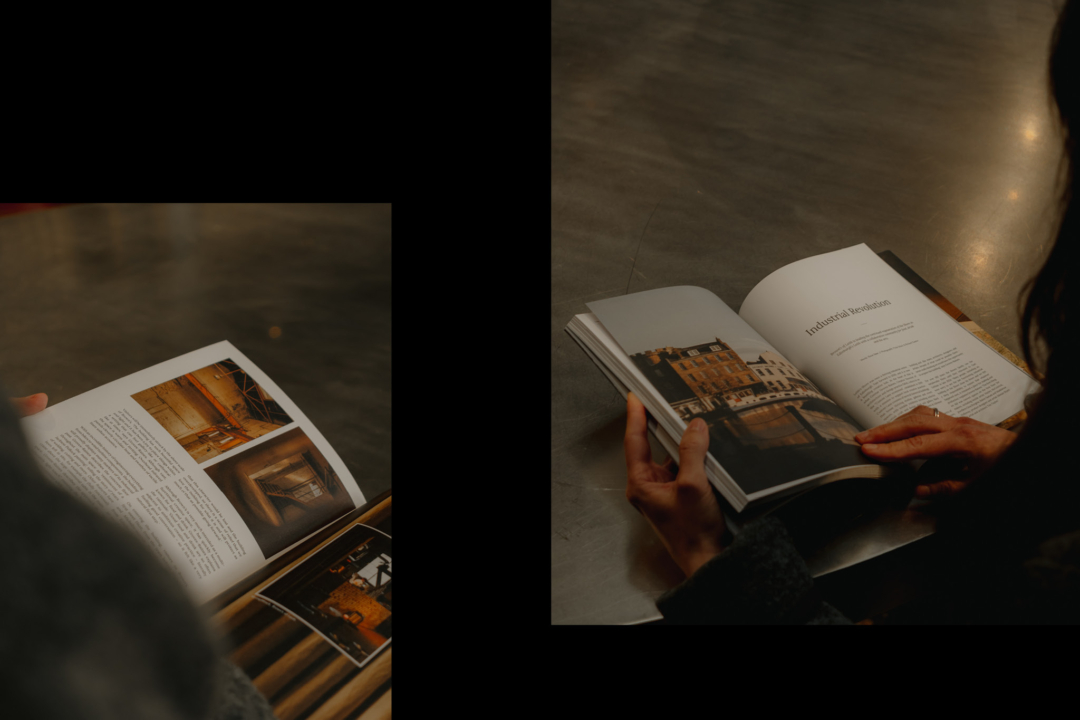
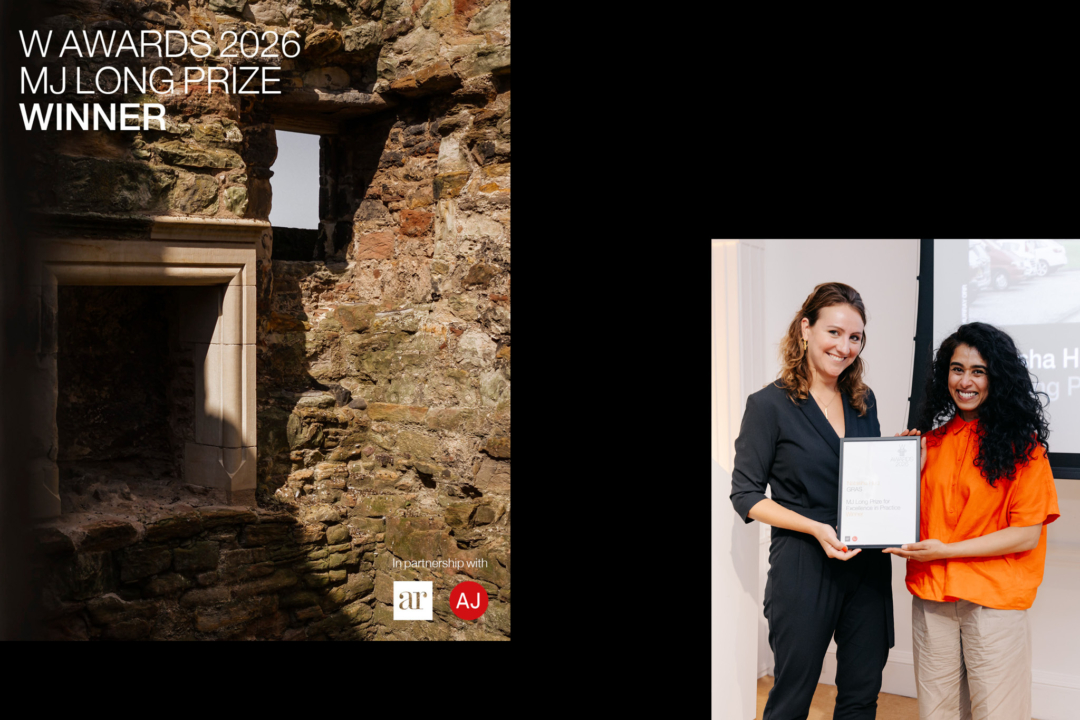
GRAS was invited by Glenrothes Distillery to develop proposals for upgrading and refurbishing the on-site offices, welfare facilities, and sample room. Located in Speyside, northern Scotland, the distillery comprises a series of warehouse buildings set within an undulating landscape, which includes the water source essential to whisky production. The original distillery was established on the site of an old mill in Rothes in 1878.
The proposals focus on elevating the distillery’s functional spaces through the careful selection of high-quality materials, embodying a sense of discerning luxury. The design approach balances innate flair and considered elegance with a deep respect for the site’s authentic and grounded character. This subtle yet confident intervention aims to enhance the everyday experience of the distillery’s staff and visitors, maintaining the integrity of a heritage site while offering renewed vitality and refinement.
GRAS worked with Bostock Bakery to reconfigure their East Linton base, creating a new wood-fired pizza area and café seating. The design employed a simple palette of oak and reeded glass to form seating booths and tables, finished with understated upholstery. The circular Bostock logo was reimagined as dowel details incorporated into the seats and tabletops, while triangular wall panels referenced the cuts made in pastry when shaping croissants.


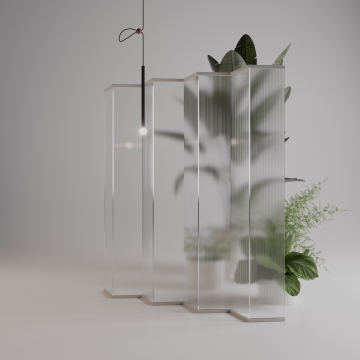
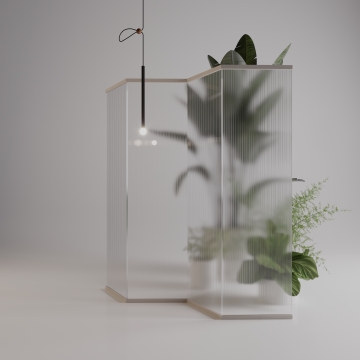
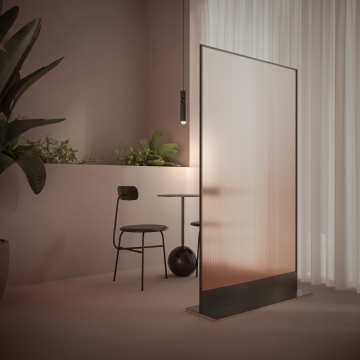
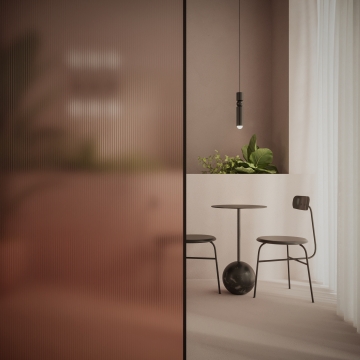
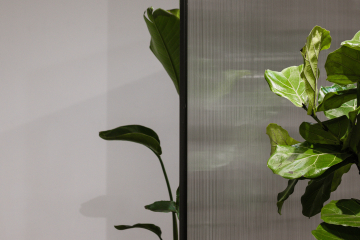
GRAS collaborated with S+CO to explore innovative design solutions for social spaces in response to the pandemic. The project features a thoughtfully selected palette of materials including blackened steel, plywood, brass, and oak. Polycarbonate screens were designed and fabricated in Leith, Edinburgh, and have been carefully installed at multiple locations across the UK to enhance safety while maintaining aesthetic quality.






This ground-floor retail space for vegan fashion brand Treen is located in the heart of Stockbridge, Edinburgh, close to the surviving façade of a nineteenth-century market hall. The interior was reimagined by GRAS to reflect Treen’s commitment to sustainability, using a palette of warm, natural materials and a design language rooted in tactility, calm, and flow.
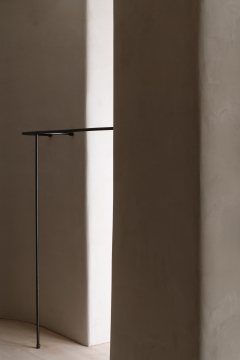
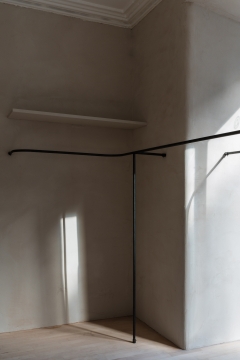
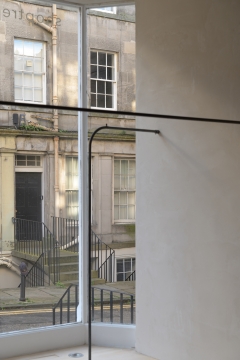
The project began with a process of removal and rediscovery. Layers of previous alterations were stripped away to reveal the softly curving perimeter of the original grocery store, along with its varied surface textures and rhythms. These gently revealed forms guided the redesign. Subtly textured clay plaster was applied to the walls, both recovered and new, giving depth and softness to the light. A bespoke blackened-steel railing traces the curves of the plan, creating a continuous line that connects the rooms and invites movement through the space.
Fixtures and furniture were designed in close conversation with local craftspeople, using Scottish ash treated with natural oils. Shelving, rails, and countertops were made to be touched. The material choice speaks to Treen’s values, while the layout encourages a sense of calm exploration. Every detail was developed through a close and collaborative process, with the client at the centre of each conversation. The result is a quiet and expressive retail interior, rooted in care, context, and connection.



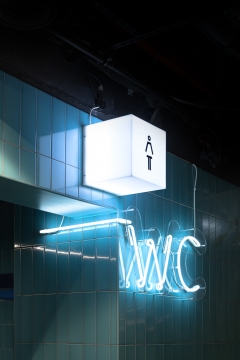
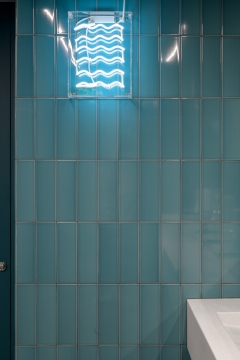
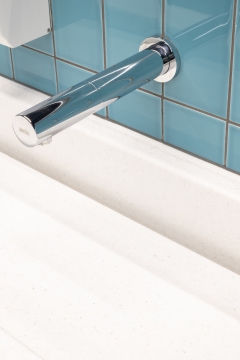
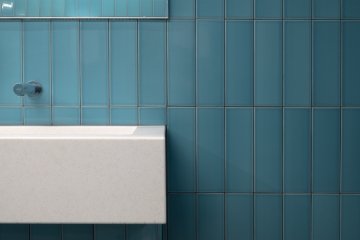
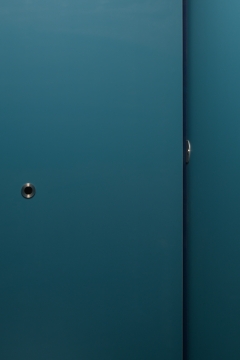
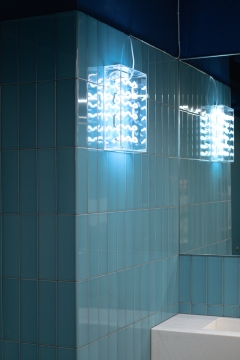
The interior design scheme for the refurbishment of the restroom facilities focused on maximising space, improving hygiene, and incorporating sustainable solutions. A uniform colour palette is punctuated by bespoke white basins and stainless steel faucets, creating a clean and modern aesthetic. Custom-designed lighting, created and fabricated by GRAS, enhances the spaces with curated illumination while ensuring energy efficiency. Commissioned neon artwork adds a soft, artistic touch, offering a visual respite within the interior.
Photography by Jaroslaw Mikos.



The Cassette is the second in a series of retail spaces designed and built by GRAS for Waverley Mall in the centre of Edinburgh. Located in a previously overlooked and dimly lit area, the project introduces a bright and inviting intervention that transforms its immediate surroundings.
The design makes use of a carefully curated material palette. Soft pink timber cladding brings warmth and tactility, while a chunky terrazzo countertop, made using reclaimed marble, adds texture and visual weight. A brass frame with integrated lighting supports a custom neon sign, providing a sense of identity and clarity within the larger mall context.
The Cassette is both functional and expressive. Every element was fabricated with precision, combining off-site production with on-site assembly. The result is a self-contained retail environment that is adaptable, engaging and visually distinctive. It redefines a corner of the mall through thoughtful detailing and the imaginative reuse of space.
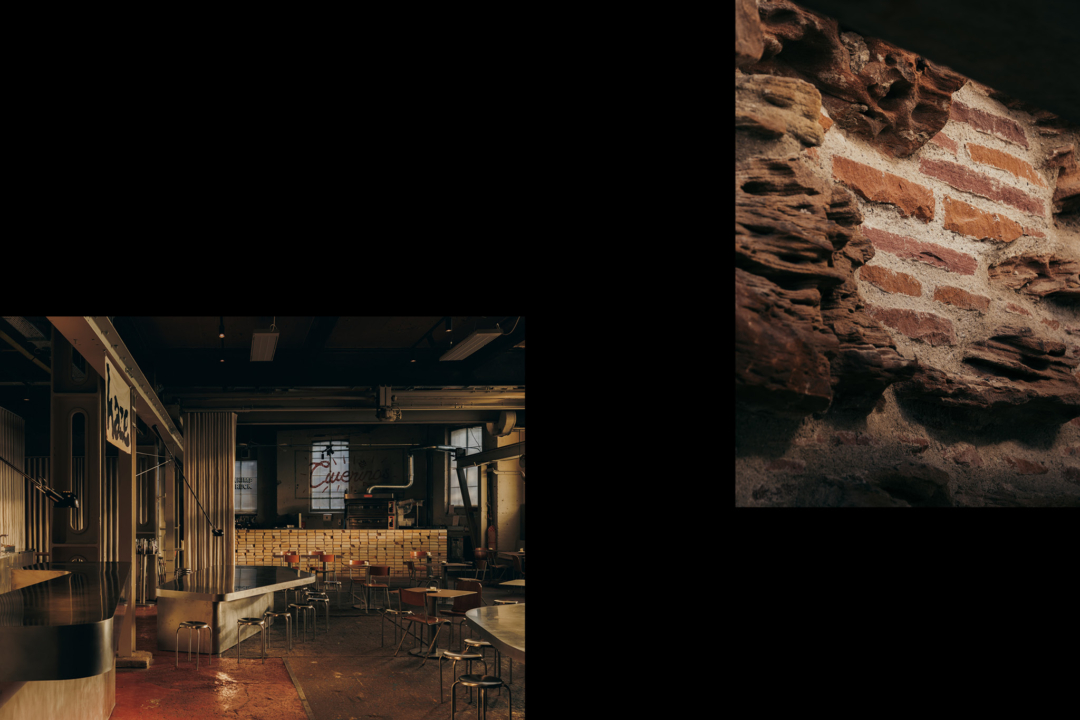
GRAS reimagined a former mall tourist office into a vibrant, temporary space for the Fruitmarket Bookshop. The space was dramatically transformed by exposing the existing concrete slab ceiling and floor, introducing new seating, and installing bespoke lighting to enhance the interior atmosphere.
The design embraces a language of minimal intervention, with the introduction of mild steel counters and plywood wall panels. These simple, carefully considered materials allow the bookshop to showcase its collection effectively while providing dedicated spaces for reading, events, and administration.
A new visual and physical connection was established between the adjacent W&J café and the bookshop, encouraging visitors to linger in thoughtfully designed seating areas that overlook the mall atrium. The project balances a raw industrial aesthetic with warmth and functionality, supporting the bookshop’s role as a cultural hub.
Photography by Jaroslaw Mikos.


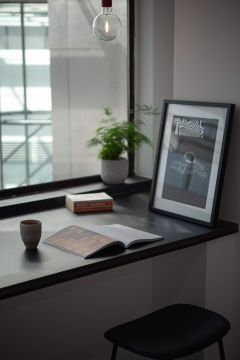


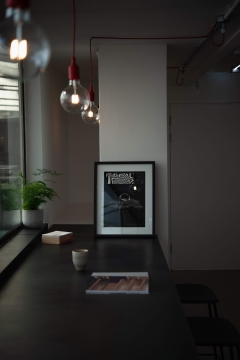
GRAS developed a bespoke lighting design and interior scheme for the refurbishment of the retail unit at Waverley Mall. Employing a minimal language of colour and light, the design transformed the previously unused space into a fresh and contemporary backdrop. This neutral setting highlights the unique character of independent retailers and their pop-up installations, allowing their products to take centre stage.
Photography by Jaroslaw Mikos.

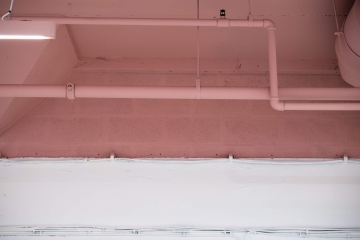

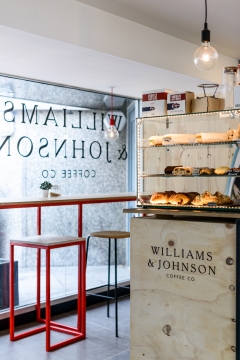
The second premises for this speciality coffee roastery and café in Edinburgh was designed using a simple palette of natural materials. Oiled plywood brings warmth and tactility, while lacquered surfaces and colourful powder-coated steel add clarity and precision. The space balances utility and atmosphere, creating a welcoming backdrop for everyday rituals.


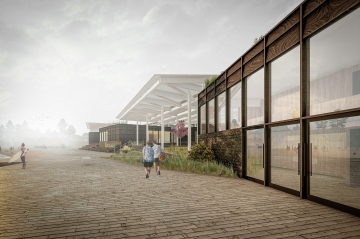
GRAS collaborated with Wavegarden Scotland to develop a concept design for the retail and surf school facilities at the artificial wave pool in Ratho Quarry. The proposal features a cluster of timber-clad blocks arranged beneath an oversailing roof. This composition creates a series of interconnected internal and external spaces designed for dining and socialising. A meandering route flows from the country park to the water’s edge, weaving through the building and evoking the natural movement of sand dunes within the landscape.


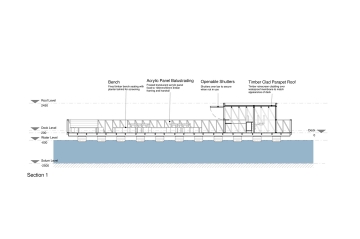
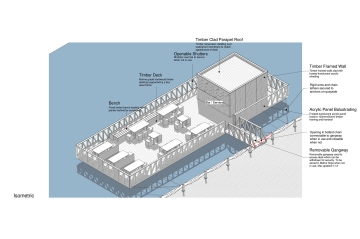
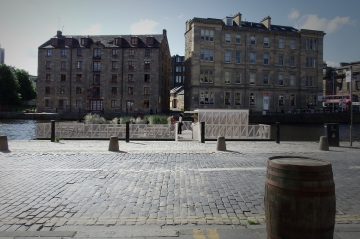
In 2017 GRAS have submitted a planning application for River Craft: a new floating platform that is as an expansion to the Malt & Hops pub on the Shore, Leith, Edinburgh. The proposal was for the installation of a new floating deck (18.5 m x 6.3 m) to the eastern edge of the Water of Leith basin, directly opposite the pub, which can accommodate additional seating, a servery, storage space and an accessible WC. The expansion will also benefit from additional sunlight for a longer period of the day. Its distinct aesthetic will provide enhanced marketing opportunities to help improve the long term sustainability of the establishment while adding to the creative capital of the area.
The servery will specialise in the provision of locally sourced beverages, including craft ales, and in the cooler months will be used as a test brewery. It is hoped that in time the deck will act as a catalyst to develop the production of craft ales, cordials and tonics as part of the Shore Brewery project which is currently being developed locally.
The timber clad deck will be supported on a box iron frame, encasing ballasted floats. Around the perimeter will be fixed a timber-framed balustrade clad in flush-finished translucent acrylic. This will provide some shelter from low level breeze while maintaining views to the surrounding basin and associated wildlife and ecological habitat. The aesthetics of the timber-framed balustrade will continue around the platform to form the servery, store and accessible WC on the north side. The structure will be moored against the dock with fixed arms which are capable of moving up and down with the slight changes in water level.
Although the design is not specifically nautical, the overall form is inspired by local barges and Leith’s history as a port. The finishes throughout have been kept intentionally restrained, using only simple forms and modern architectural detailing. As such the proposal is respectful of the character and architecture of the surrounding area and is designed to be striking but not dominant.
River Craft has been designed locally and will be built by local craftsmen. The aspiration is that it will contribute positively to the community, further enhancing the vibrancy and diversity of the area while developing a local business to meet growing demand.



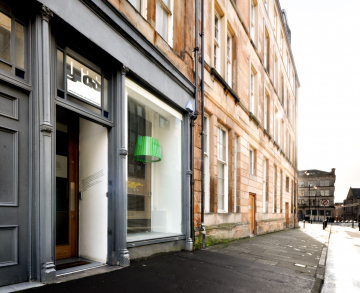
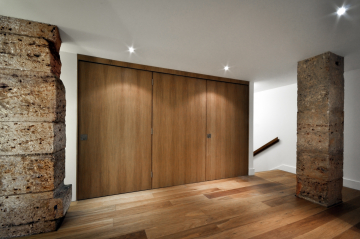
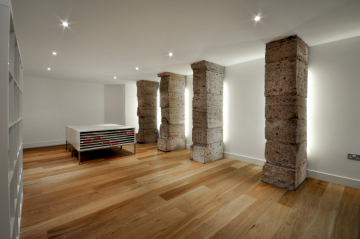
Originally bought by Nicholas Groves-Raines and Kristin Hannesdottir in the 1980’s the basement was a disused part of a B-listed city centre tenement block in the Tron area of Glasgow. The flats above were developed and sold but the basement lay disused for over twenty years until GRAS was formed in October 2006. GRAS took occupancy in the small ground floor shop and began work developing the space beneath them.
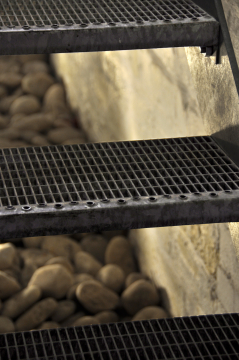
For four months GRAS acted as tenants, architects, clients, project managers and often labourers, allowing them to view the project in detail from a number of different viewpoints. Great efforts were made to maximise the available floor area and ceiling height while trying to retain as much of the dramatic character of the space. The unassuming shop front entry at 11 James Morrison Street leads through the reception areas, at the rear of which an industrial mesh stairwell, lit from below leads down to the lower ground level studio space where five backlit sandstone columns stand complimented by clean white walls and a slate grey floor. The floor steps down from here to a sequence of double height studio spaces centred on large brick buttresses, lit by a full height glazed door to the commonly owned garden at the rear of the building. The resulting space is unexpected by the visitor and full of hints of Glasgow’s history, from the hand made brick walls to the remnants of Glasgow’s historic street frontages now hidden far below ground level.


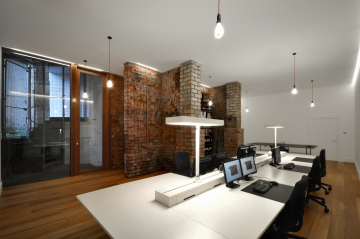

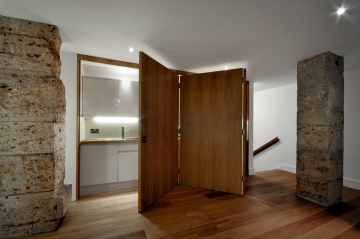
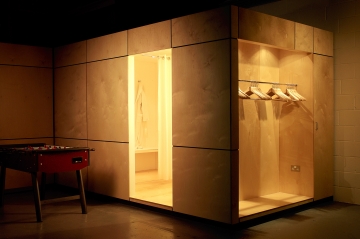
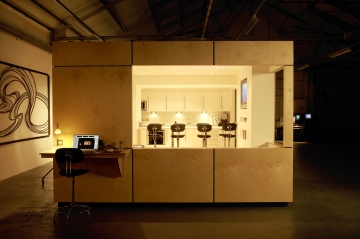
Nisbet Wylie Photographs commissioned the practice to design studio and office facilities within an existing 350 square metre industrial unit. The brief included the creation of a meeting room, WC, lounge, kitchen, and dressing room, all integrated while preserving the character of the original building.
The design approach left the existing structure largely intact, with new facilities housed within two free-standing timber-framed boxes constructed from beech plywood. These carefully positioned volumes divide the space into defined areas for studio work, exhibition, and circulation, while maintaining a sense of openness throughout.
Each timber box is equipped with its own heating, lighting, ventilation, and entertainment systems. This autonomy allows the units to operate independently from the main industrial space, reducing energy consumption and increasing operational flexibility.
The materials were used largely in their natural, unaltered state to minimise waste and reduce construction time. This approach also celebrates the industrial heritage of the building, with the exposed timber surfaces and simple construction expressing the raw authenticity of the original unit.
Photography by Nisbet Wylie Photographs.



This early James Adam townhouse, located in Glasgow’s Merchant City, was constructed in the 1790s as part of a formal terrace. By the early 1980s, it was the only surviving structure on the row and had fallen into an advanced state of dereliction. The building was roofless, with the top floor entirely lost and much of the internal fabric deteriorated beyond repair.
GRAS was commissioned to stabilise and adapt the building for new use, combining careful repair of the historic fabric with a considered programme of adaptive reuse. The project retained the scale and proportion of the original townhouse while introducing new internal layouts to accommodate a bar, restaurant and guest rooms. The building reopened to the public in 1985 as Babbity Bowster and has since become a well-established part of the city’s social and cultural life.
The project received widespread recognition for its contribution to urban regeneration and architectural conservation. Awards include the Europa Nostra Silver Medal and the RIAS Regeneration of Scotland Award in 1986, followed by a Civic Trust Award in 1987. Babbity Bowster remains a strong example of how derelict heritage buildings can be brought back into meaningful use through considered architectural intervention and long-term stewardship.